Why French Players’ AI Generative Announcements Matter: Data Protection, French Advances, and Improvements
With this new enforcement, Europe is opening a new chapter in digital history.
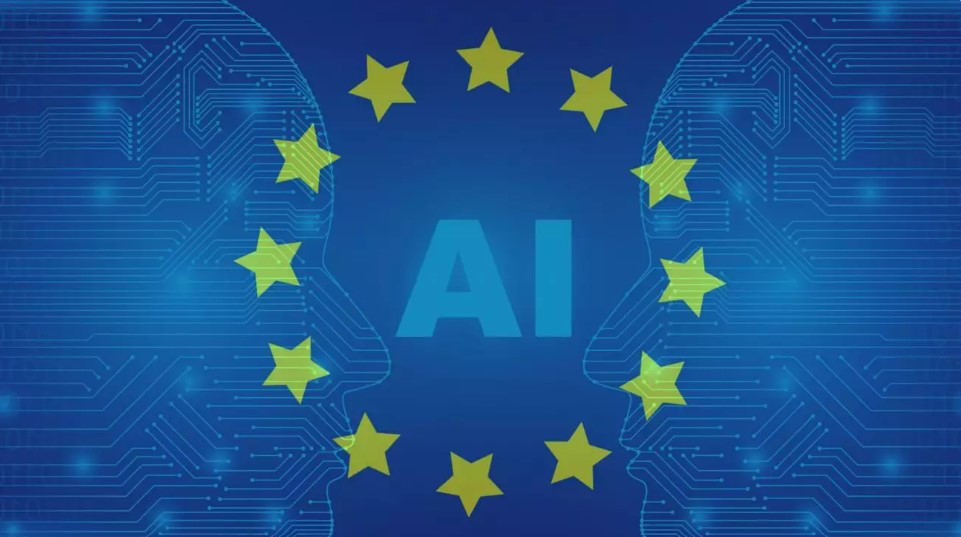
On December 8, 2023, the European Union’s member states and the European Parliament ushered in the world’s first legislation on artificial intelligence.
This marks an agreement that regulates the use and development of these new technologies through strict rules, while also encouraging and supporting Europe in its pursuit of innovation. Despite the stringent regulations, the signatory members want new players to see this not just as a set of rules, but also as a launchpad for European startups and researchers in the global AI race.
Thierry Breton, European Commissioner for the Internal Market, explains these decisions:
_“Artificial intelligence is a true technological revolution. It has already been changing our lives and economies for about a decade, but we are only at the beginning of its immense transformative potential. The arrival of generative AI, with software like ChatGPT that produces language, images, sounds, code, or videos in seconds, will further accelerate these upheavals. But we cannot leave it to the companies developing these systems to define the rules governing their activities when they affect the public interest. We need benchmarks, clear frameworks: we must define what is desirable and aligned with our values and prohibit what is not.”_
This new legislation is nothing short of historic. The EU is the first continent to set clear rules for AI use.
So, what are the objectives of this new state legislation?
Developers will be required to comply with various transparency rules regarding certain content:
AI systems will be classified by risk level: minimal, limited, high, or unacceptable. This scale is deemed essential to assess the need for imposing limits on these systems.
The core of the project focuses on enforcing a set of rules only for AI systems deemed "high risk": these will be subject to reinforced constraints, particularly in sensitive areas such as human resources, education, or law enforcement. Human oversight of machines is THE imposed rule. However, implementing a risk management system and/or establishing technical documentation may also be required.
The legislation also includes prohibitions, though these are relatively rare. To date, six AI systems have been banned.
In extreme cases, the legislation will establish a European AI Office within the European Commission, equipped with enforcement powers. This office will be able to impose fines of up to 7% of the turnover of the companies involved, with a maximum of 35 million euros for the most serious offenses.
As we consider the AI Act, one might wonder whether this legislation represents a brake or a springboard for AI innovation in Europe. While establishing clear rules for AI use, the AI Act aims to reconcile technological innovation with citizen protection. Europe is thus positioning itself as a global leader in defining an ethical and responsible digital future. However, this legislation raises a fundamental question: will it effectively balance regulation and innovation freedom, or could it limit the creative potential and development of European companies in the AI sector?